Detailed Scope
Mechanical Works, Broken Down
A closer look at each part of the mechanical works scope, and the steps our teams follow to deliver it.
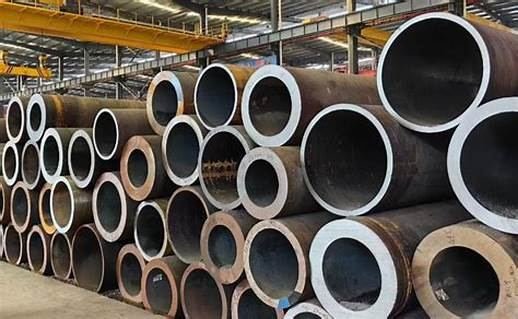
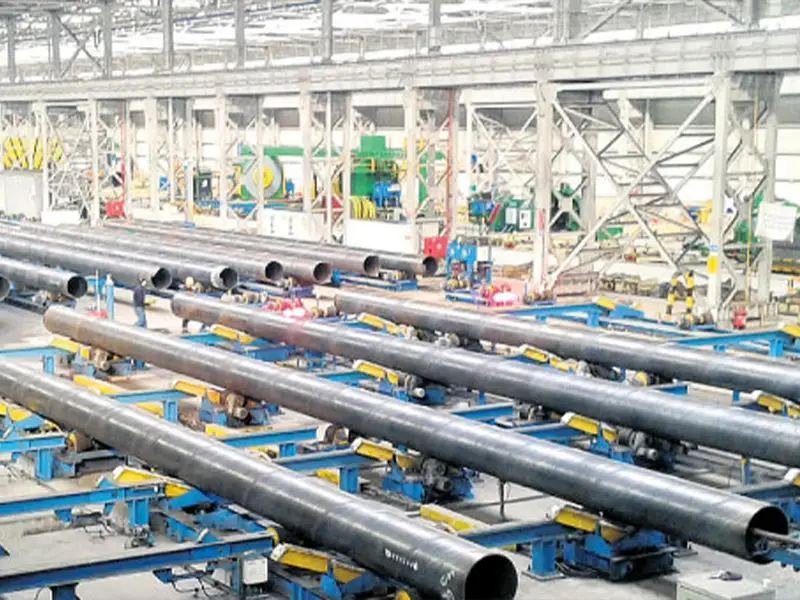
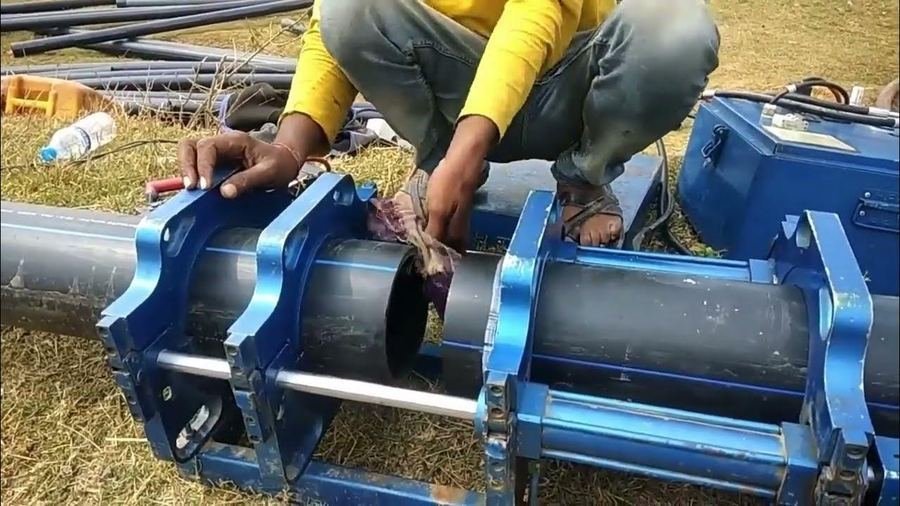
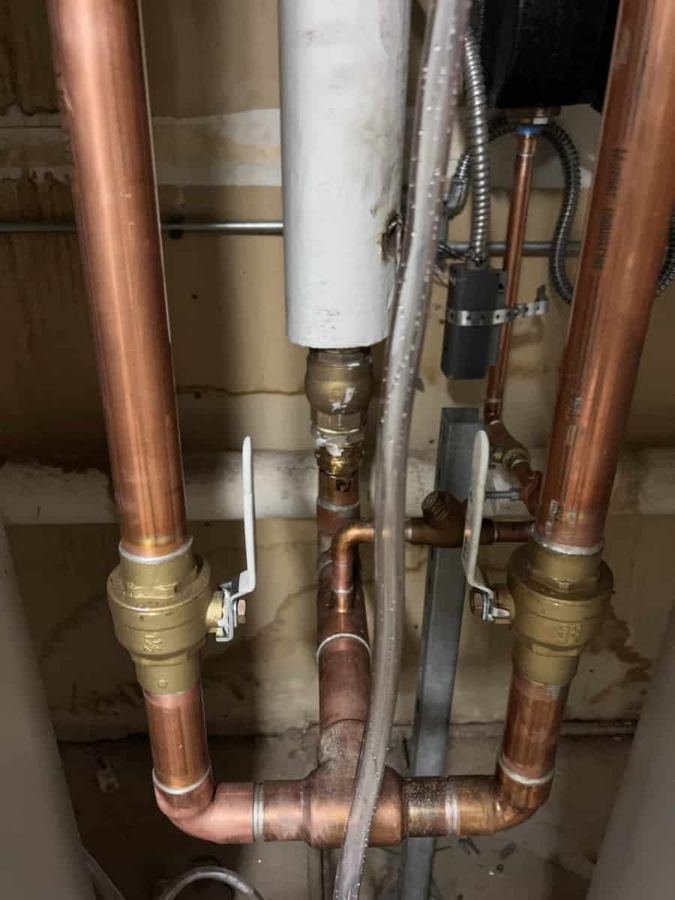
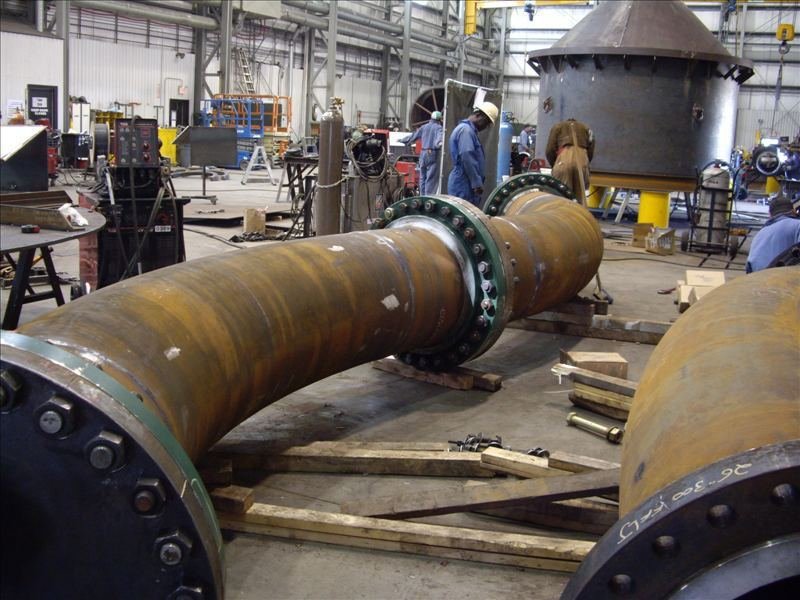
Industrial & Process Piping
Carbon steel, stainless steel, PVC, UPVC and HDPE networks are designed and installed for process, utility and transfer duties — sized, supported and jointed to suit the fluid, pressure and temperature they carry.
- 01Line schedules and isometrics are prepared from the P&ID.
- 02Pipe is cut, fabricated and joined by the method specified (weld, fuse or mechanical).
- 03Each line is pressure tested and logged before insulation or backfill.
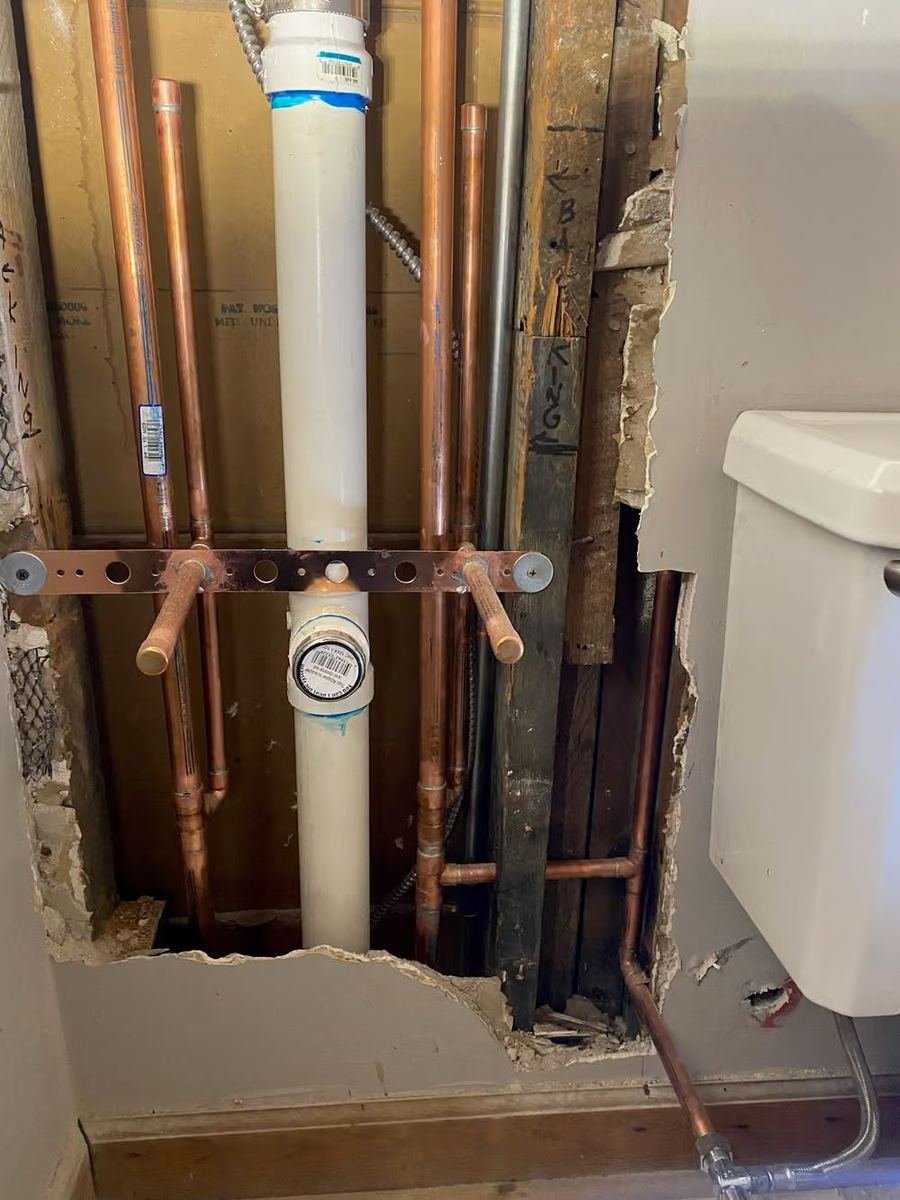
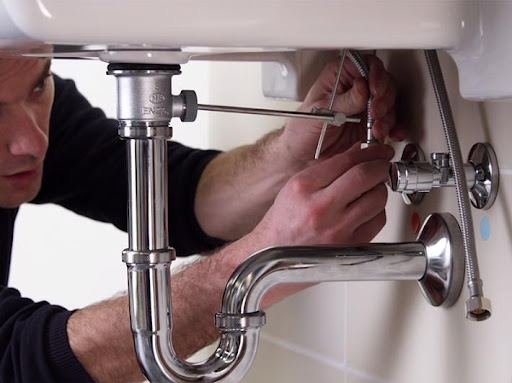
Plumbing & Public Health
Hot and cold water systems, sanitary fixtures and wastewater networks are installed to public health code, balancing flow and pressure across every outlet in the building.
- 01Riser and branch routing is confirmed against architectural and MEP drawings.
- 02Pipework, fixtures and valves are installed and pressure tested.
- 03Flow and pressure are balanced at outlets before fixtures are handed over.
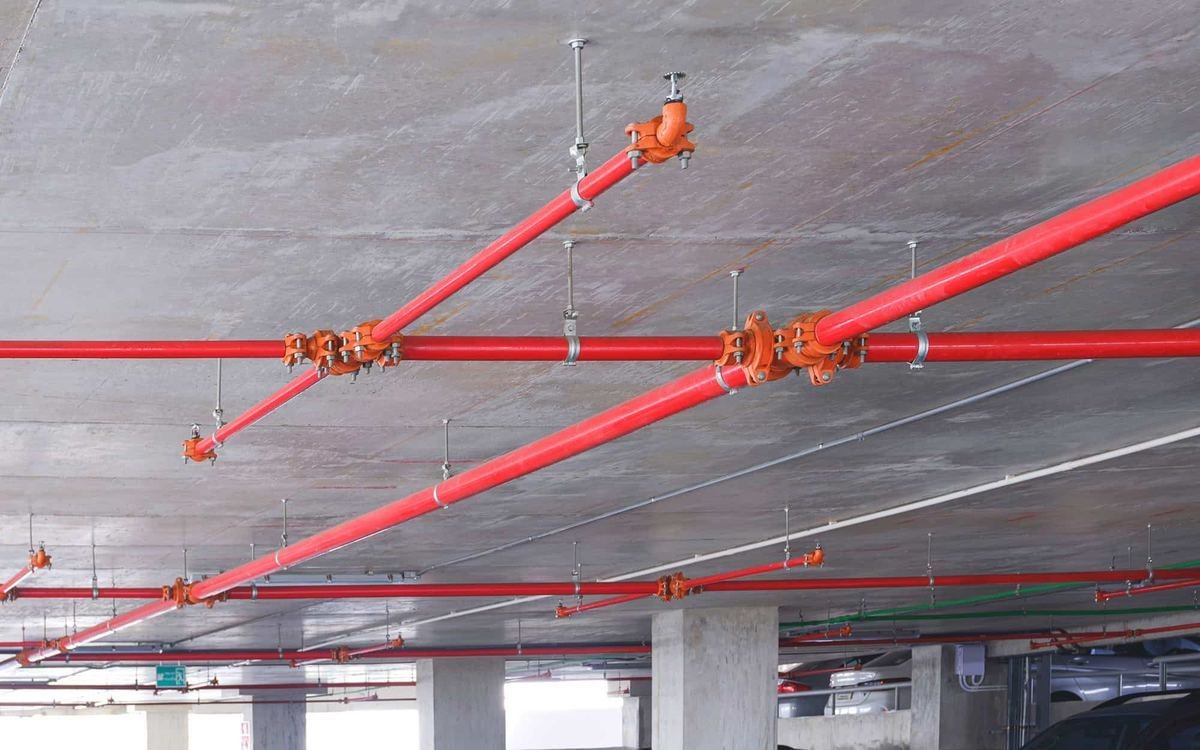
Fire Protection
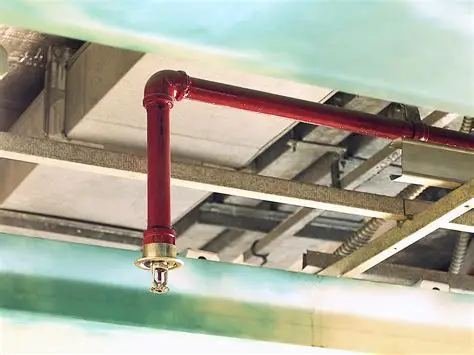
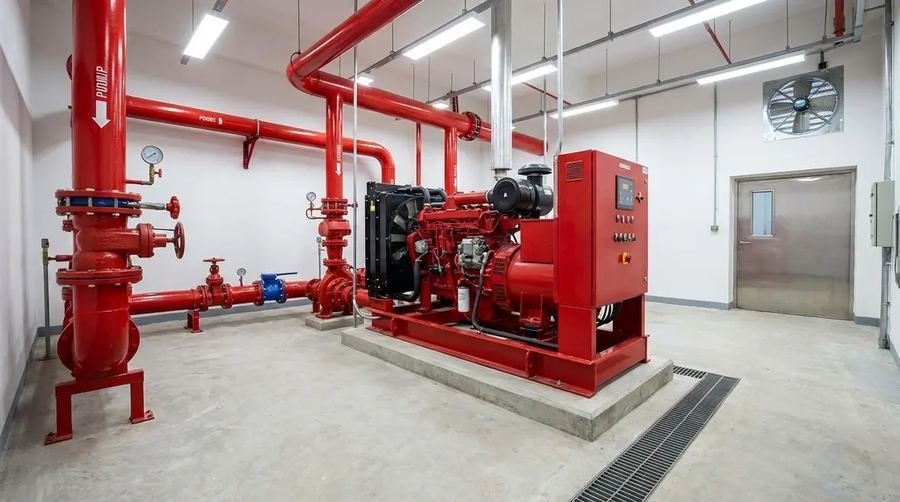
Sprinkler networks, hose reels, hydrants and dedicated fire pump rooms are installed and tested to protect life and property, with every stage documented for civil defence approval.
- 01Sprinkler and hydrant layouts are installed to the approved fire fighting design.
- 02Fire pumps, jockey pumps and valves are set and function-tested.
- 03The full system is flow and pressure tested ahead of civil defence inspection.
Pumping Stations & Storage
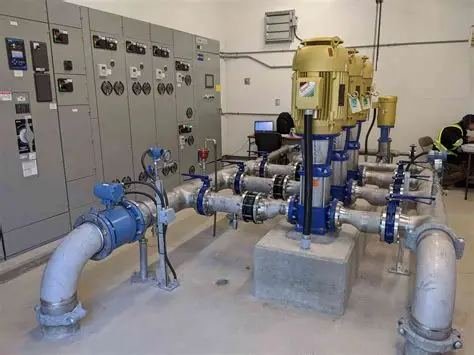
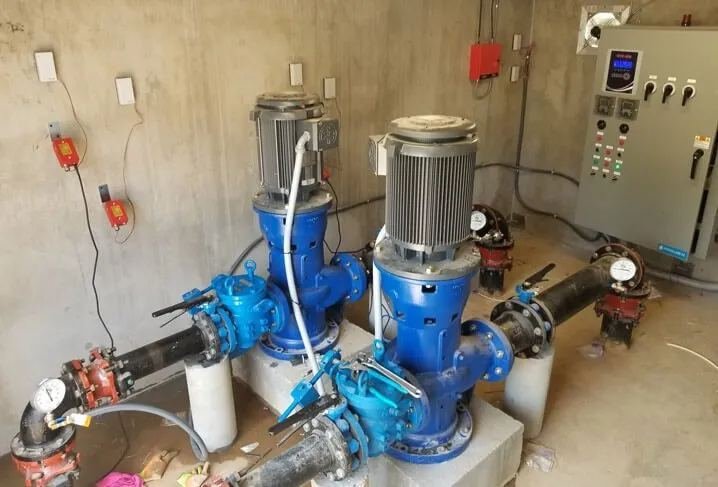
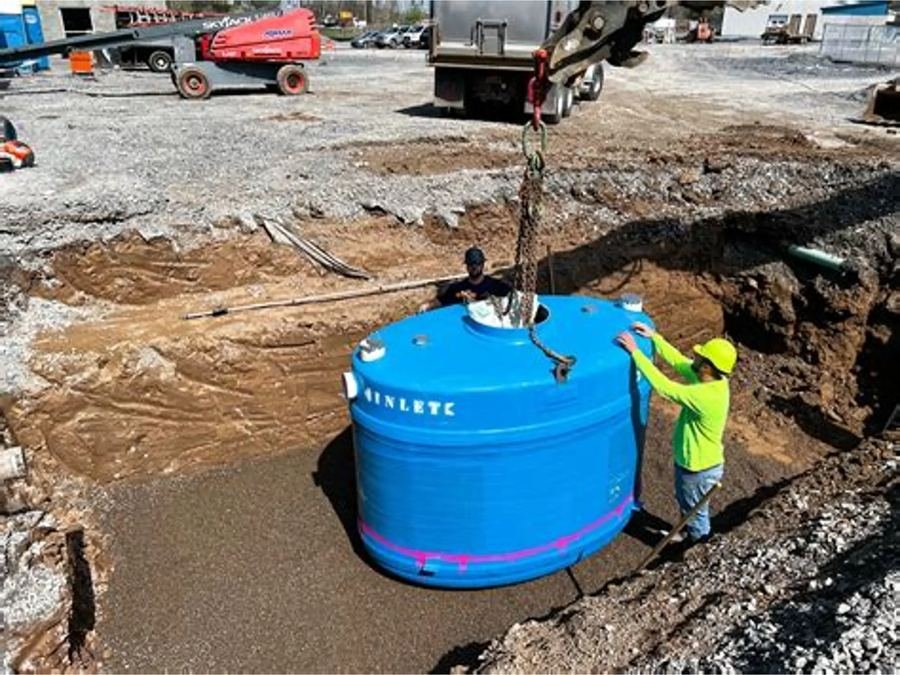
Booster pumps, lifting stations and large-capacity storage tanks are installed and commissioned to keep water and wastewater moving reliably through the network, even at peak demand.
- 01Tanks and pump bases are set level and anchored to the civil works.
- 02Pumps, valves and controls are installed and wired to the panel.
- 03Duty/standby operation and float levels are set and function-tested.
Fabrication & Welding
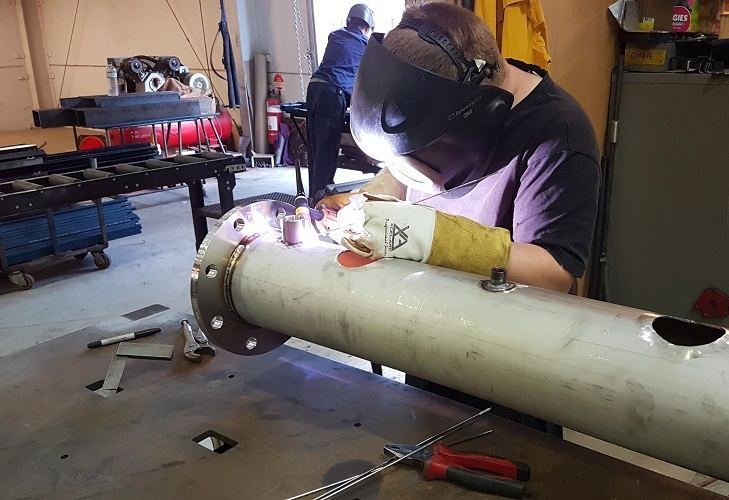
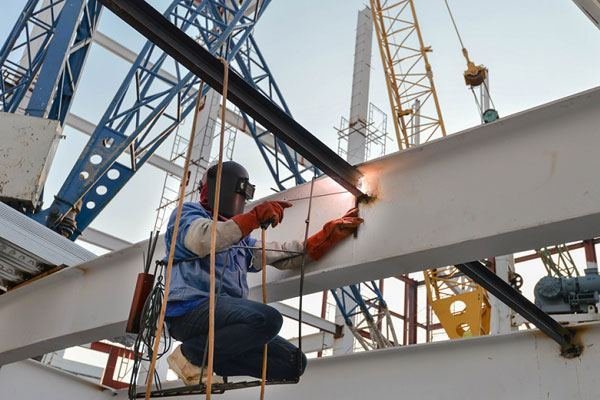
Certified on-site and off-site welding and structural steel work support every other mechanical scope — from pipe spools to equipment supports and platforms.
- 01Fabrication drawings are issued and material is cut to size.
- 02Certified welders join sections per the approved welding procedure.
- 03Welds are visually inspected and NDT-tested where the specification requires it.