Detailed Scope
Electrical Works, Broken Down
A closer look at each part of the electrical works scope, and the steps our teams follow to deliver it.
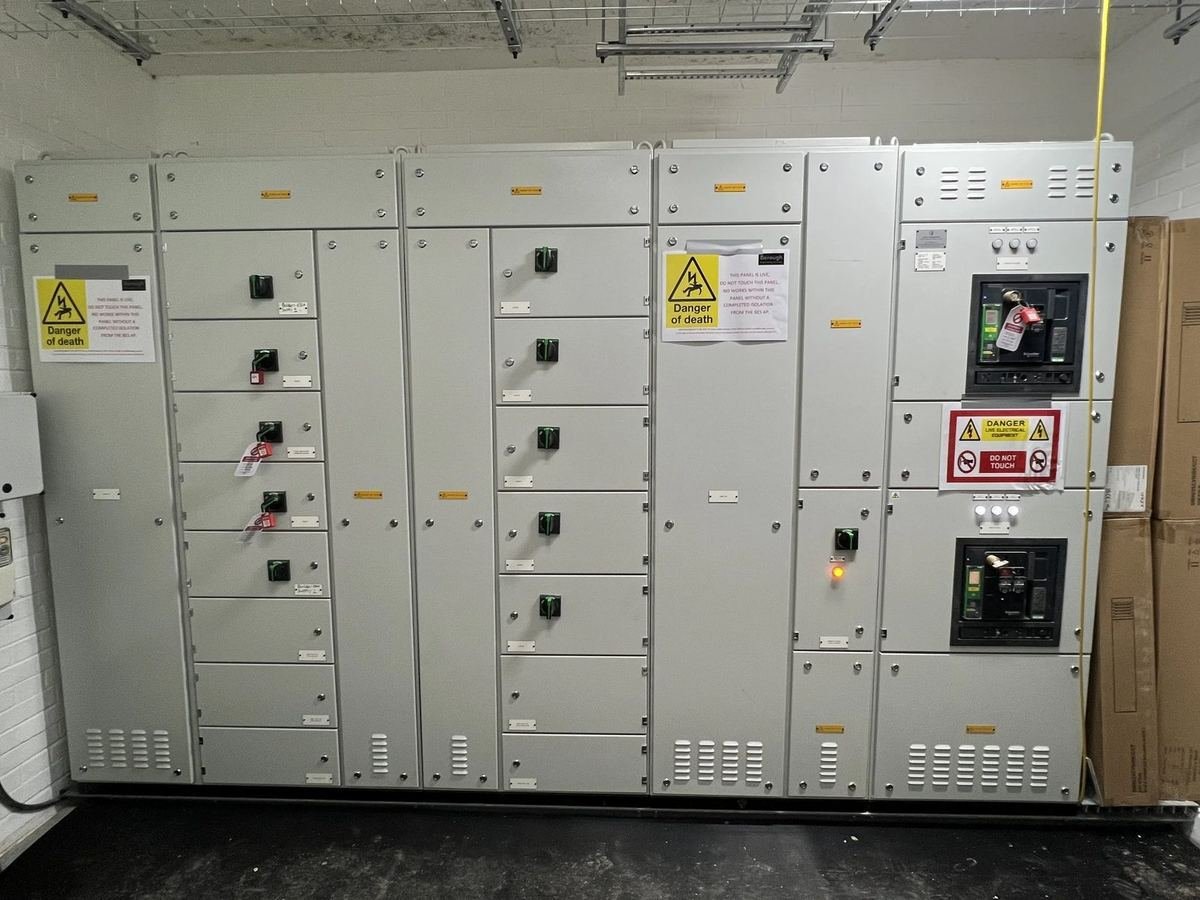
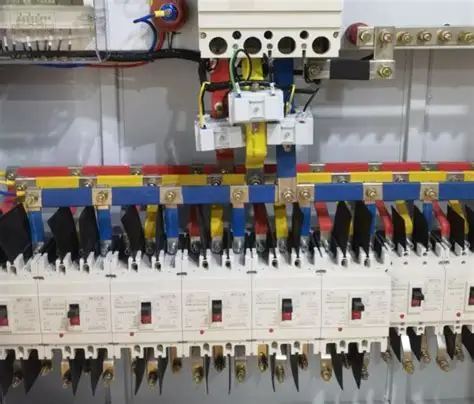
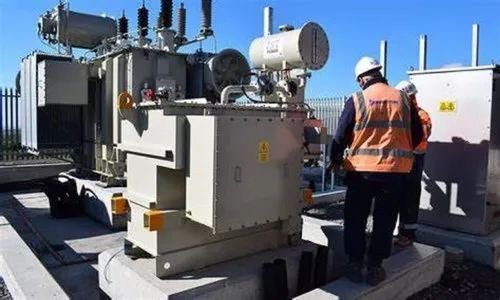
Power Distribution
MV/LV switchgear, transformers, motor control centres and main distribution boards are installed and set up to distribute power reliably from the utility connection down to final circuits.
- 01Switchgear and panels are set, aligned and connected per the single-line diagram.
- 02Busbar and cable connections are torqued and thermally scanned.
- 03Protection settings are configured and function-tested before energisation.
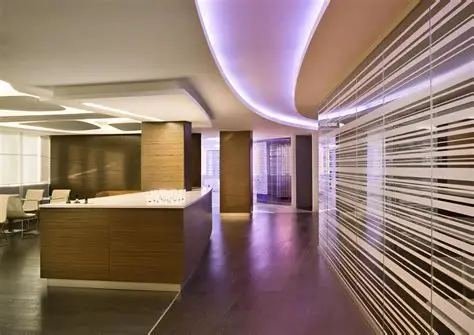
Lighting & Illumination
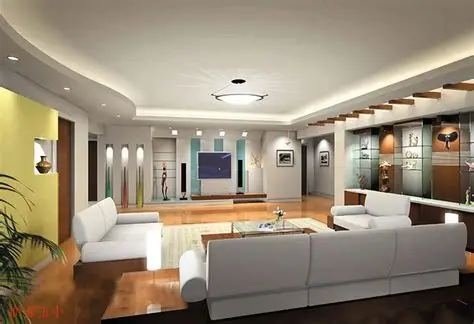
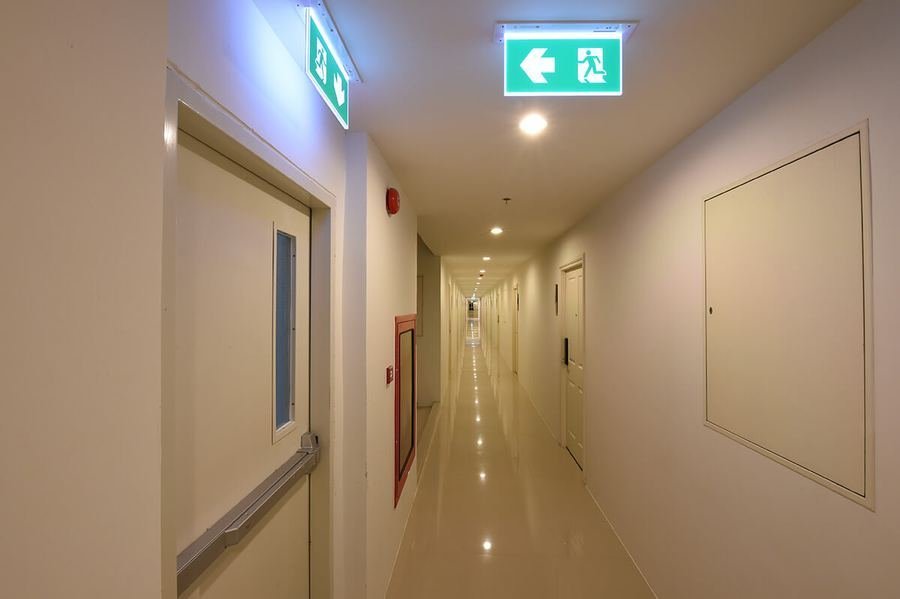
Interior, exterior, industrial and emergency lighting is installed and circuited with smart controls where specified, balancing illumination levels against the lighting design and energy targets.
- 01Fittings are positioned and first-fixed per the reflected ceiling plan.
- 02Circuits are wired to lighting control panels or smart controllers.
- 03Lux levels and emergency lighting duration are verified before handover.
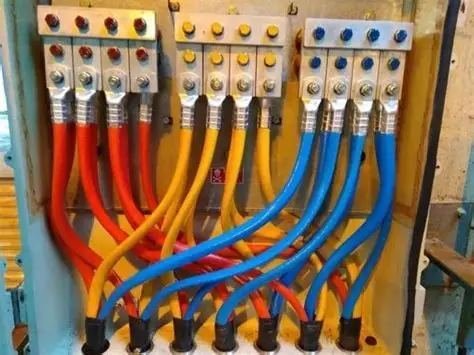
Containment & Cabling
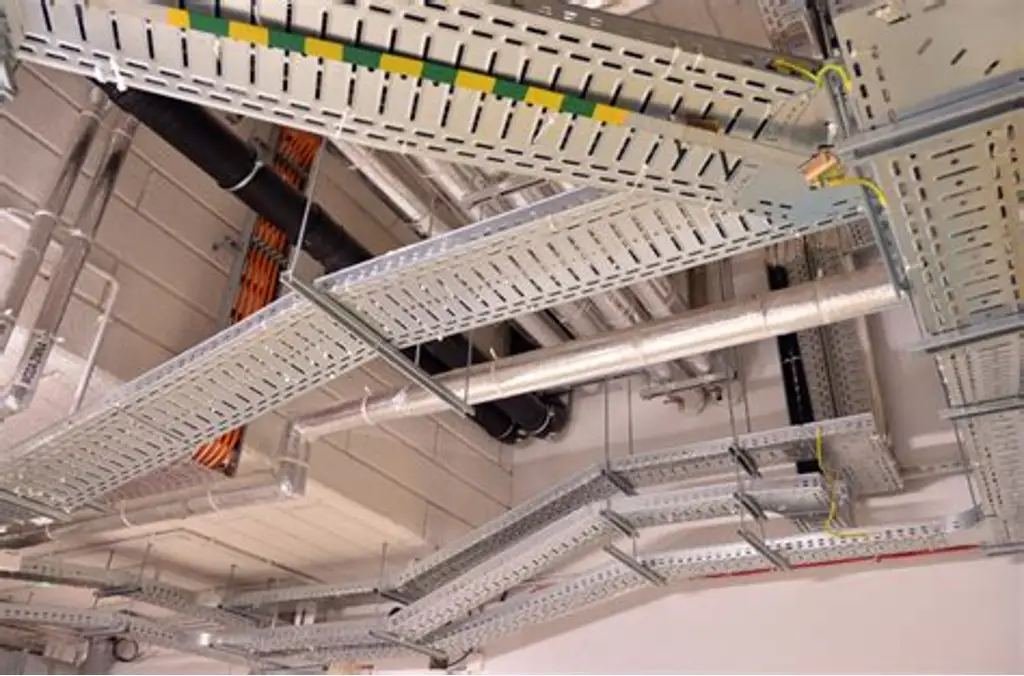
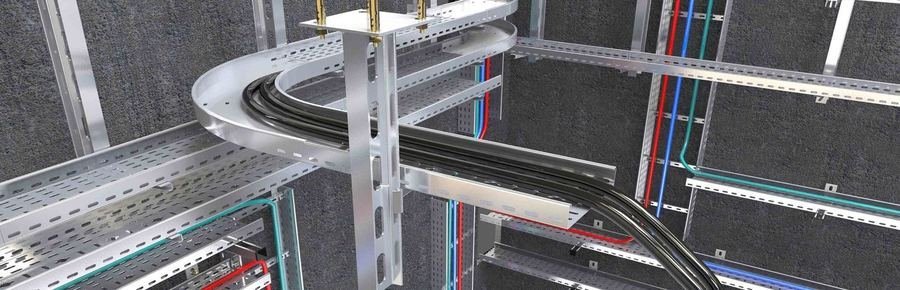
Cable trays, trunking, conduits and heavy-duty cable termination form the physical backbone that carries power and data safely through the building.
- 01Containment routes are surveyed and coordinated with other services.
- 02Tray, trunking and conduit are installed to the agreed route and support spacing.
- 03Cables are pulled, dressed and labelled along the containment.
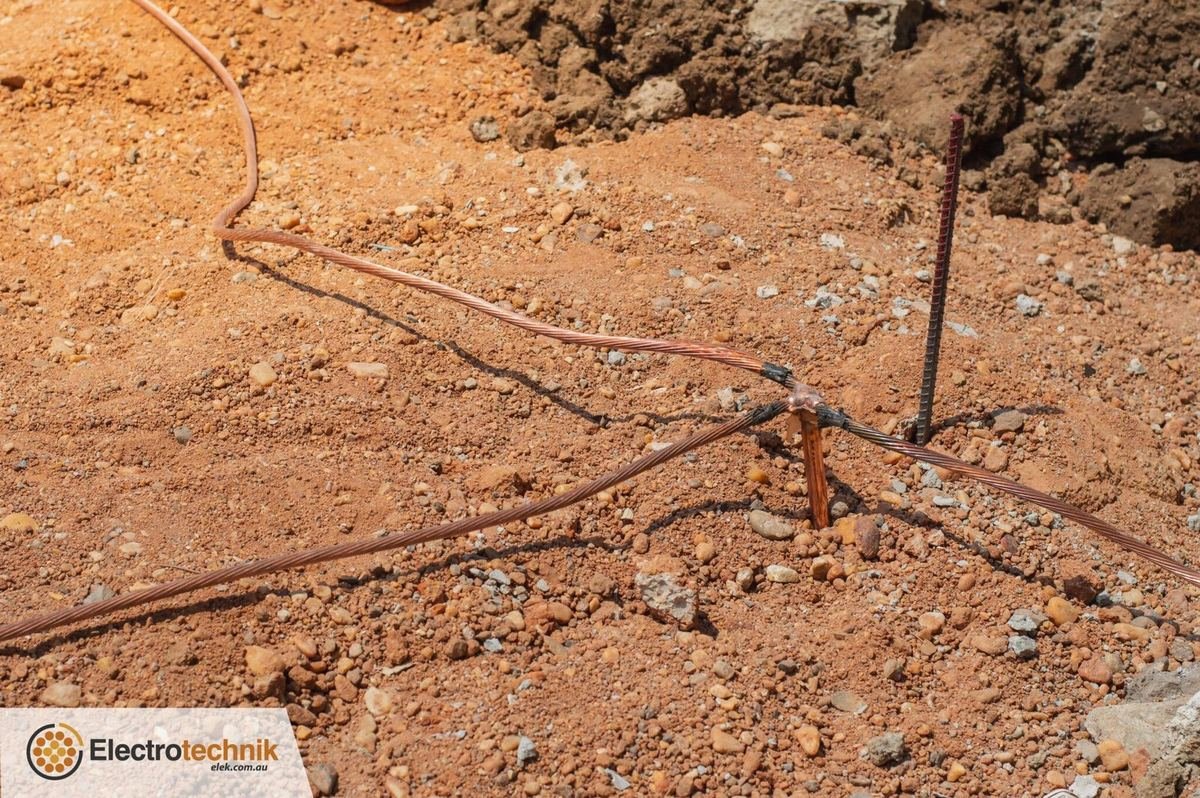
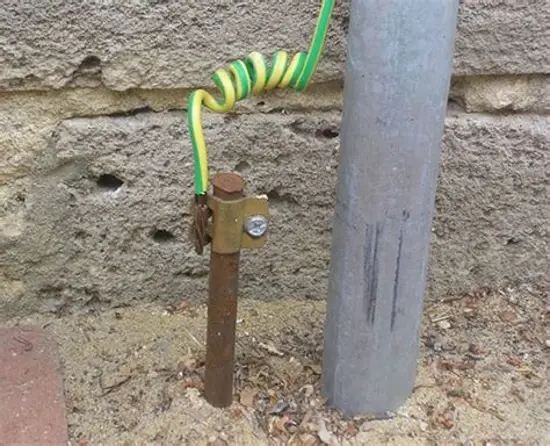
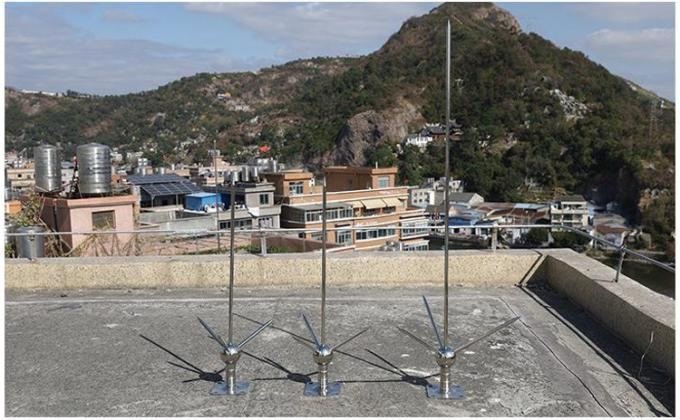
Earthing & Lightning Protection
Grounding systems protect equipment and personnel by giving fault current a safe path to earth, and lightning protection systems reduce the risk of strike damage to the structure.
- 01Earth electrodes and grid conductors are installed to the design layout.
- 02Bonding connections are made at panels, structures and services.
- 03Earth resistance is measured and recorded before energisation.
Low Current & ELV
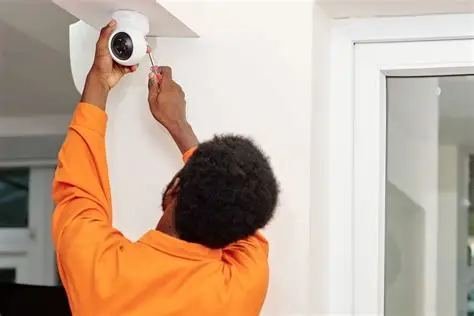
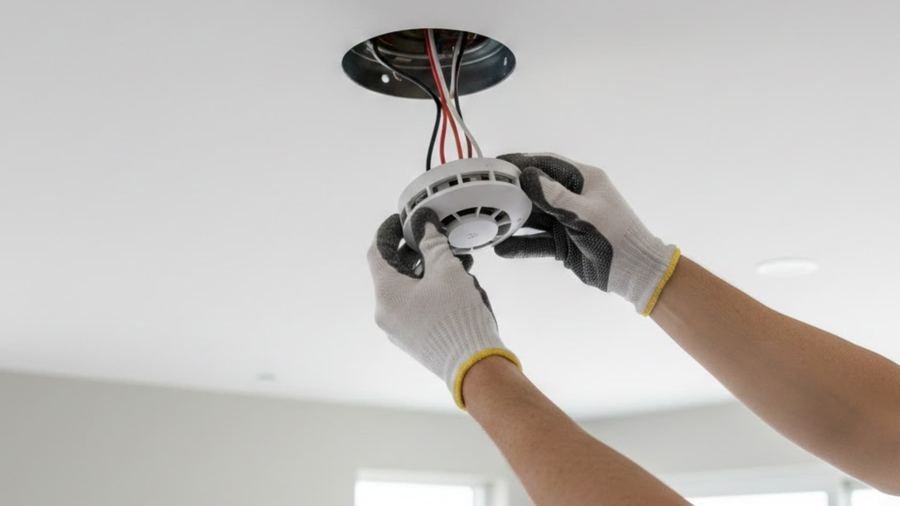
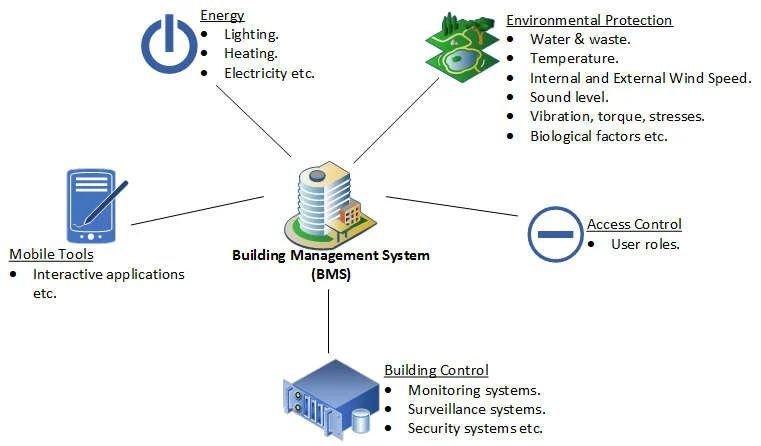
Fire alarm, CCTV, access control, public address and building management systems are installed and integrated so life-safety and building-control systems work together, not in isolation.
- 01ELV containment and outlets are first-fixed alongside power containment.
- 02Devices, cameras and panels are installed and cabled to the head-end.
- 03Systems are function-tested and integrated with the BMS or fire alarm panel.